
Views: 175 Author: Publish Time:2026-08-21 10:20:00 Origin: Orpinegift
Keychains can serve as practical promotional items, retail merchandise, event souvenirs, recognition gifts, or components in a branded kit. The right custom keychains manufacturer should translate artwork into a repeatable product while controlling material, dimensions, color, attachment, finish, packaging, and delivery. Buyers can improve quote accuracy by choosing the process before comparing unit prices.
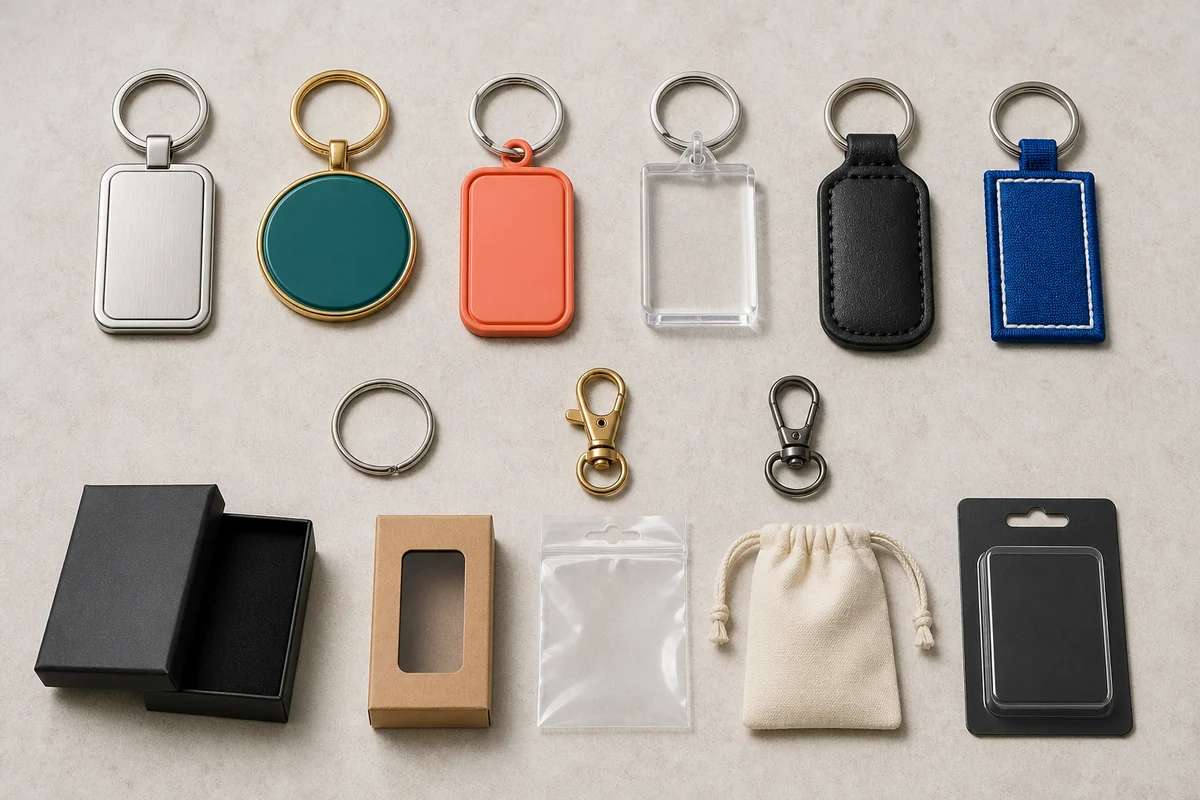
Record the audience, distribution method, product role, expected use, target price, order quantity, brand position, packaging, destination, and in-hand date. A premium employee gift, high-volume trade-show giveaway, retail character product, and fundraising item do not require the same construction.
Browse Orpinegift's custom keychain range for product directions. Identify one primary visual goal, such as a sculpted metal emblem, full-color artwork, soft tactile shape, or stitched textile identity.
| Material or process | Typical strength | Development questions |
|---|---|---|
| Die-cast or stamped metal | Weight, durability, relief, and premium finish | Thickness, tooling, plating, relief depth, edge shape, and back design |
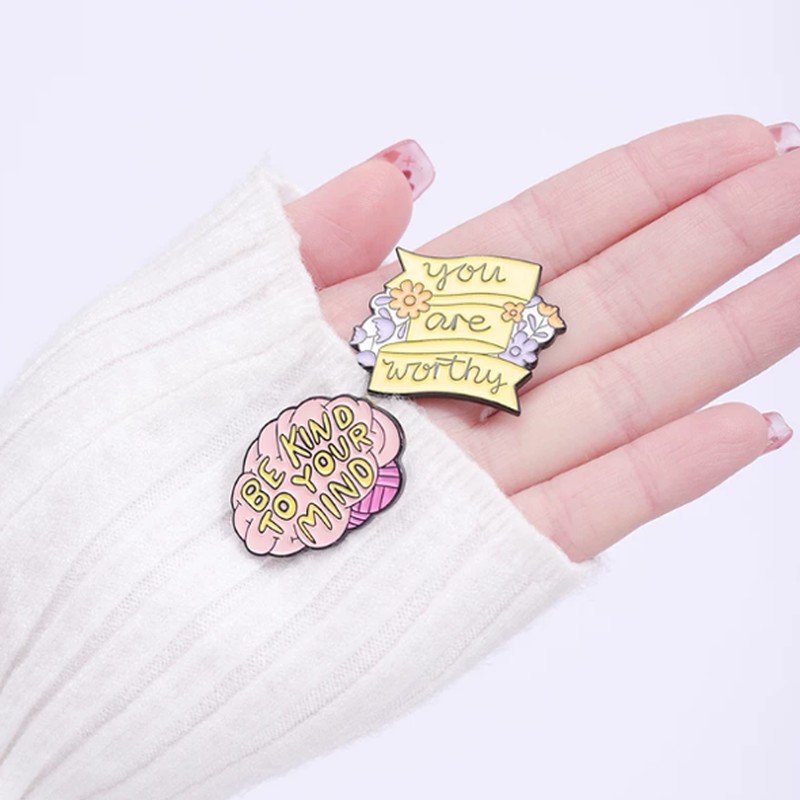
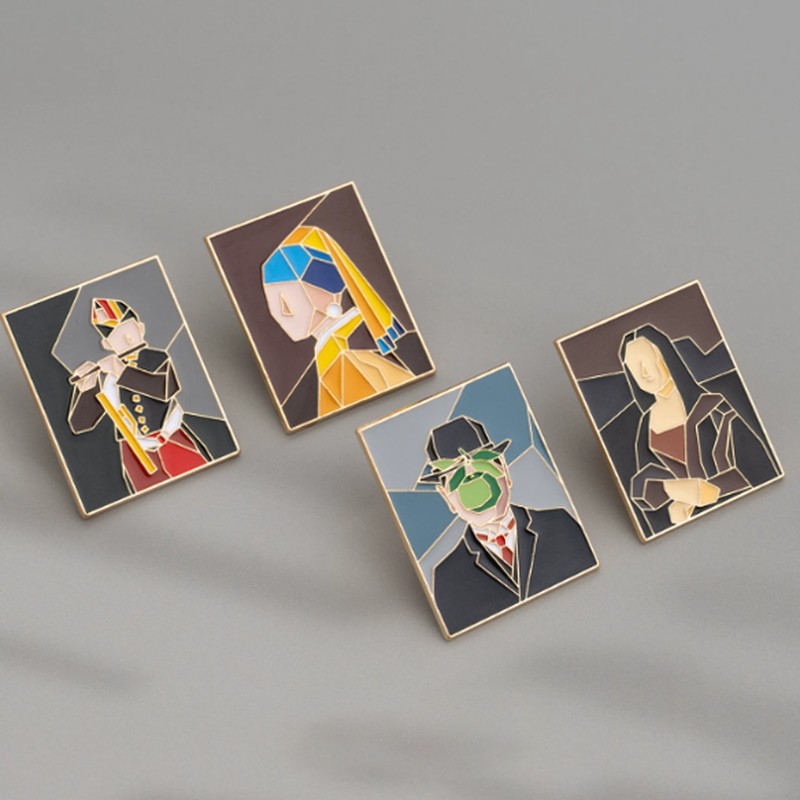
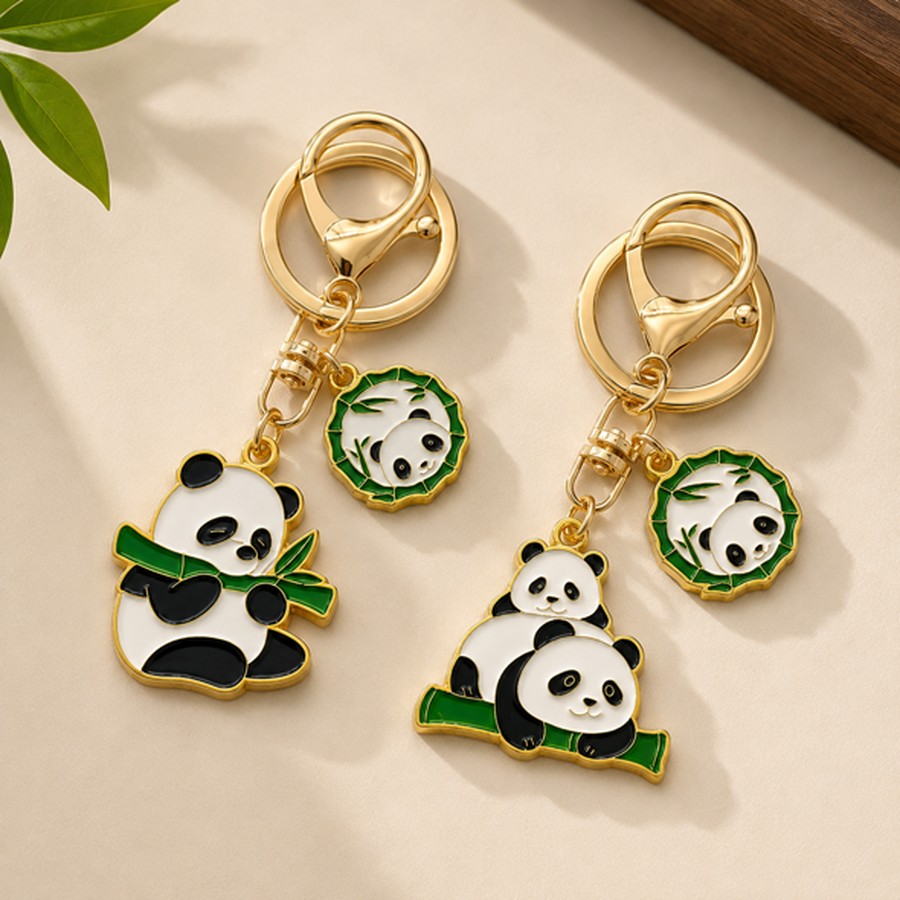
| Soft or hard enamel | Colored artwork with a refined metal outline | Color count, raised or polished surface, plating, minimum lines, and color matching |
| Molded PVC | Soft tactile shapes and bright dimensional color | Layer depth, flexibility, color separation, odor, reverse design, and attachment insert |
| Acrylic | Full-color print, transparency, and lightweight format | Thickness, print side, protective film, edge finish, white ink, and scratch protection |
| Leather or synthetic leather | Warm tactile appearance and debossed branding | Material, edge paint, stitching, emboss depth, hardware, and colorfastness |
| Embroidered or woven fabric | Lightweight textile identity and double-sided options | Border, thread colors, backing, text size, ring reinforcement, and reverse appearance |
Provide vector artwork and define finished width, height, thickness, front and back views, attachment point, colors, and orientation. Very fine gaps, small lettering, sharp internal corners, and disconnected shapes may need adjustment for tooling, enamel, molding, cutting, or embroidery.
Ask the supplier to show proposed production lines on the proof. Approve dimensions in millimeters and review the artwork at actual size. A design that looks clear on a large screen may lose detail when produced as a 40 mm keychain.
Common attachments include split rings, flat rings, lobster clasps, swivel hooks, short chains, screw connectors, and webbing loops. Confirm ring diameter, wire thickness, finish, connector length, opening operation, and orientation. The product should hang correctly when attached to keys, a bag, or retail display.
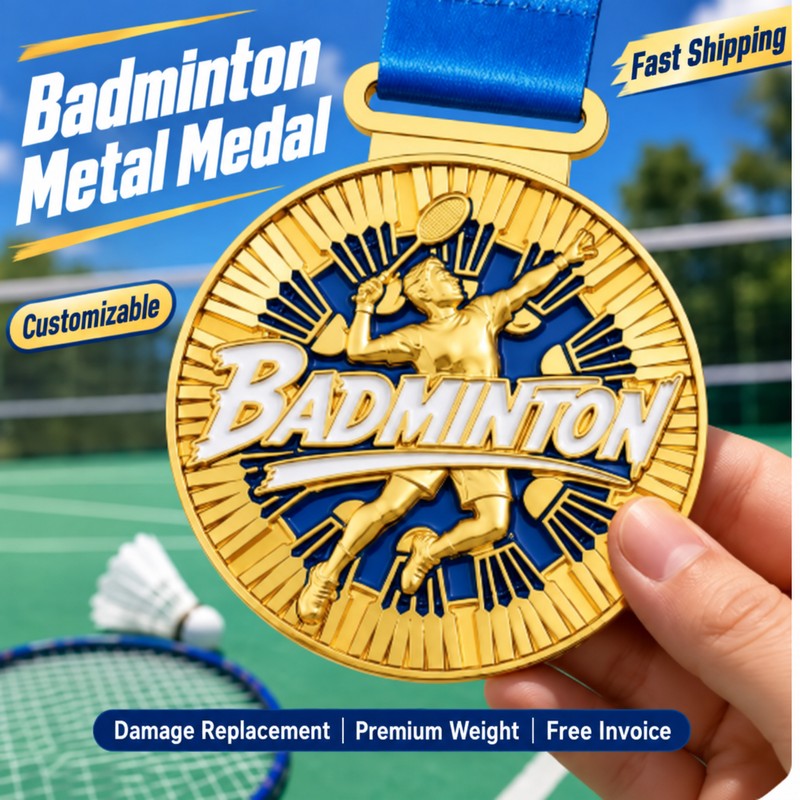
Metal finishes should coordinate across the keychain body, chain, connector, and ring. If the program includes custom enamel pins or custom medals, shared plating and color references can create a consistent gift set.
The back can carry a secondary logo, URL, event date, legal line, pattern, engraved number, or simple texture. Confirm whether a two-sided design changes tooling or print setup. On metal products, decide whether the back is flat, recessed, raised, textured, or engraved.
Review edge shape and surface finish. Sharp points may need rounding, while acrylic edges need clean cutting and protective handling. PVC and textile products require secure attachment points that do not tear under ordinary handling.
Provide Pantone or approved color references where practical, but account for material and process differences. Enamel, printed acrylic, molded PVC, dyed leather, and embroidery thread reflect light differently. Plating options may include bright, matte, antique, black, brass, copper, or specialty finishes.
A digital proof confirms layout, not the exact physical appearance. Request a representative sample or finish set for critical programs. The custom metal keychain sourcing guide provides more detail on plating and tooling decisions.
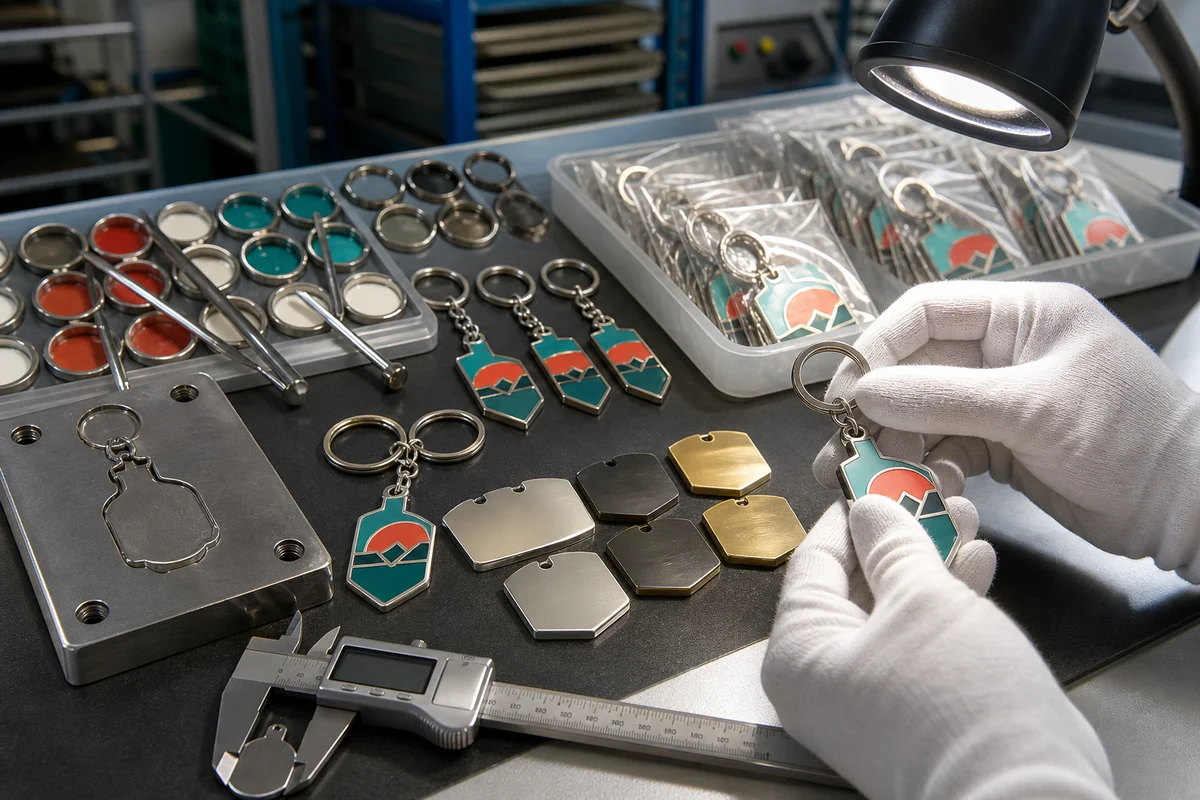
Review dimensions, weight, material, front and back artwork, color, plating, surface, edge, attachment, logo clarity, and packaging. Use a numbered revision list and maintain one final approval file. Keep a physical approved sample when repeat-order consistency matters.
For complex tooling, confirm whether the sample is a digital rendering, rapid prototype, mold sample, or production-material sample. Each stage answers different questions and may have a separate cost and schedule.
Metal and enamel items should be checked for plating condition, pits, scratches, fill accuracy, color contamination, sharp edges, and attachment security. PVC products need checks for color separation, shape, surface, flexibility, and insert security. Acrylic products require print alignment, surface protection, edge finish, and correct film removal instructions.
Textile and leather keychains need checks for stitching, border quality, embossing or print, edge paint, shape, and ring reinforcement. Agree on a sampling plan and defect classification before final inspection.
Bulk bags suit internal distribution, while individual bags, backing cards, paper sleeves, boxes, drawstring pouches, and gift sets support retail or presentation. Packaging affects labor, carton dimensions, shipping volume, barcode placement, and unit protection.
Metal keychains may need separation to prevent scratching. Acrylic surfaces may require protective film. If several designs or names are included, provide a SKU matrix and sorting plan.
Include artwork, material or process, dimensions, thickness, quantity by design, colors, plating or finish, front and back requirements, attachment, packaging, destination, and required delivery date. Review the broader custom promotional product range, then request a custom keychain quote to plan tooling, samples, production, inspection, and delivery.