
Views: 114 Author: Publish Time:2026-07-29 09:30:00 Origin: Orpinegift
Keychains are compact, useful, easy to distribute, and flexible enough for brand merchandise, events, tourism, employee gifts, membership programs, and retail collections. When sourcing custom metal keychains, the best results come from matching the artwork to the right manufacturing process, metal, finish, attachment, packaging, and delivery plan.
Die striking creates raised and recessed metal areas without requiring color. It works well for emblems, anniversaries, seals, corporate marks, and heritage designs. Antique finishes can emphasize depth, while polished plating produces a cleaner contemporary appearance.
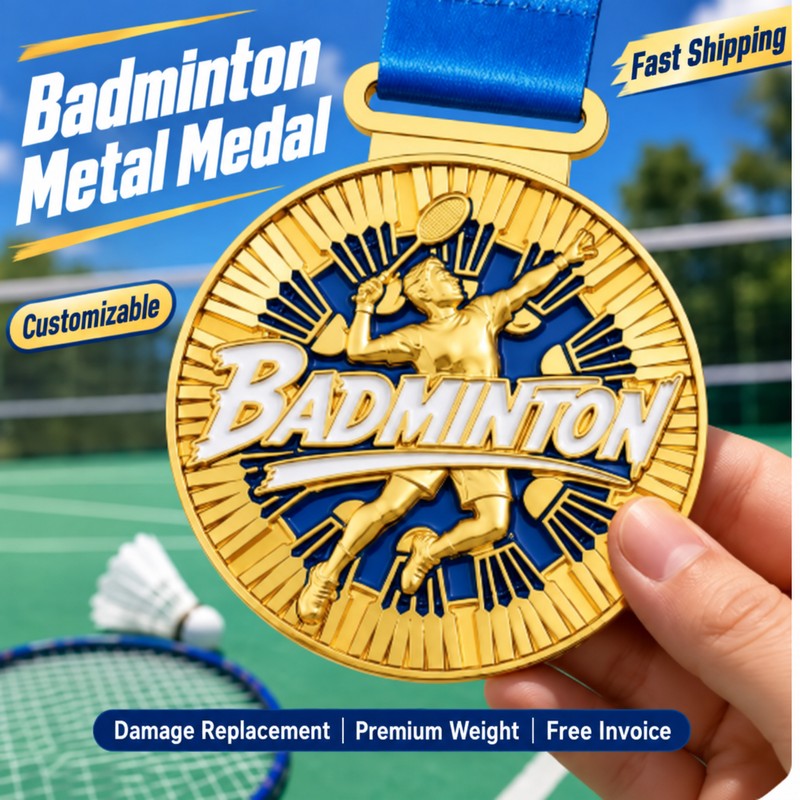
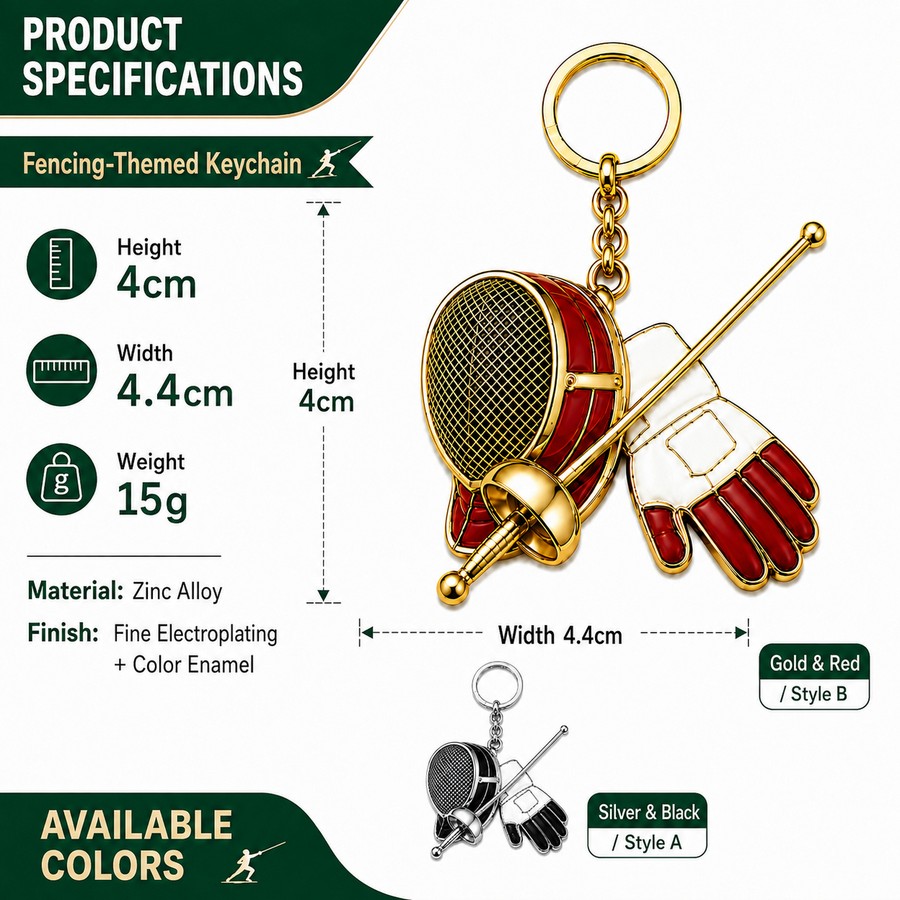
Die casting supports thicker shapes, sculpted surfaces, cutouts, and three-dimensional details. It is a strong option for mascots, landmarks, vehicles, tools, and designs that need more depth than a flat metal piece. Tooling, thickness, weight, and the amount of relief all influence cost.
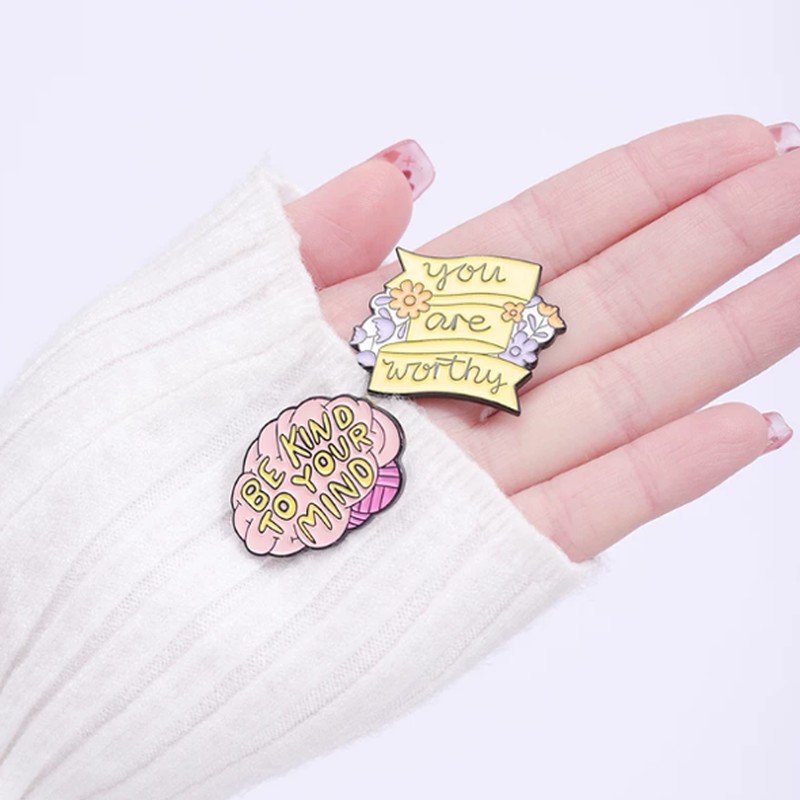
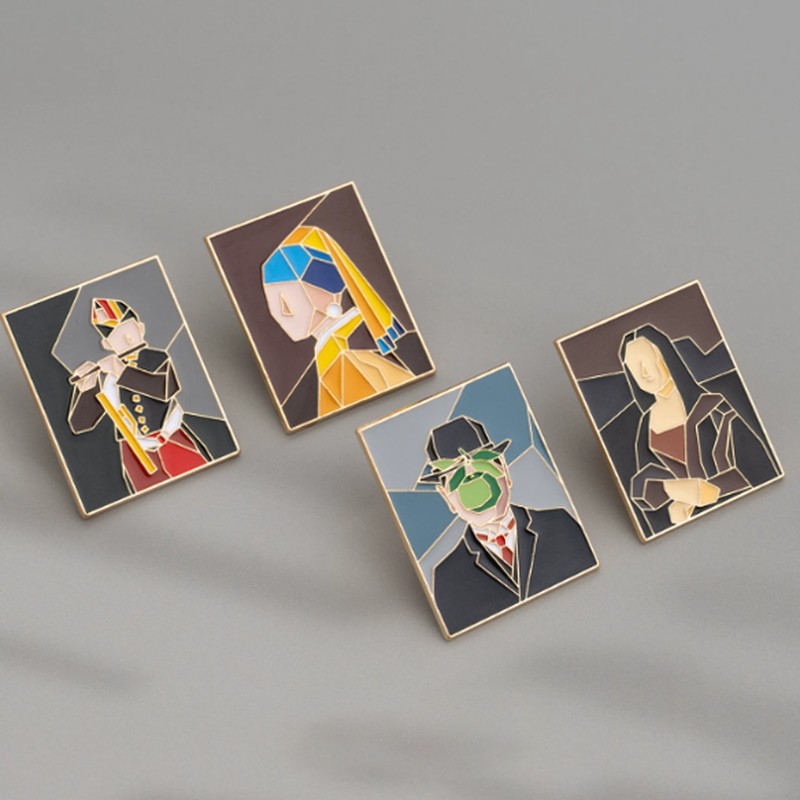
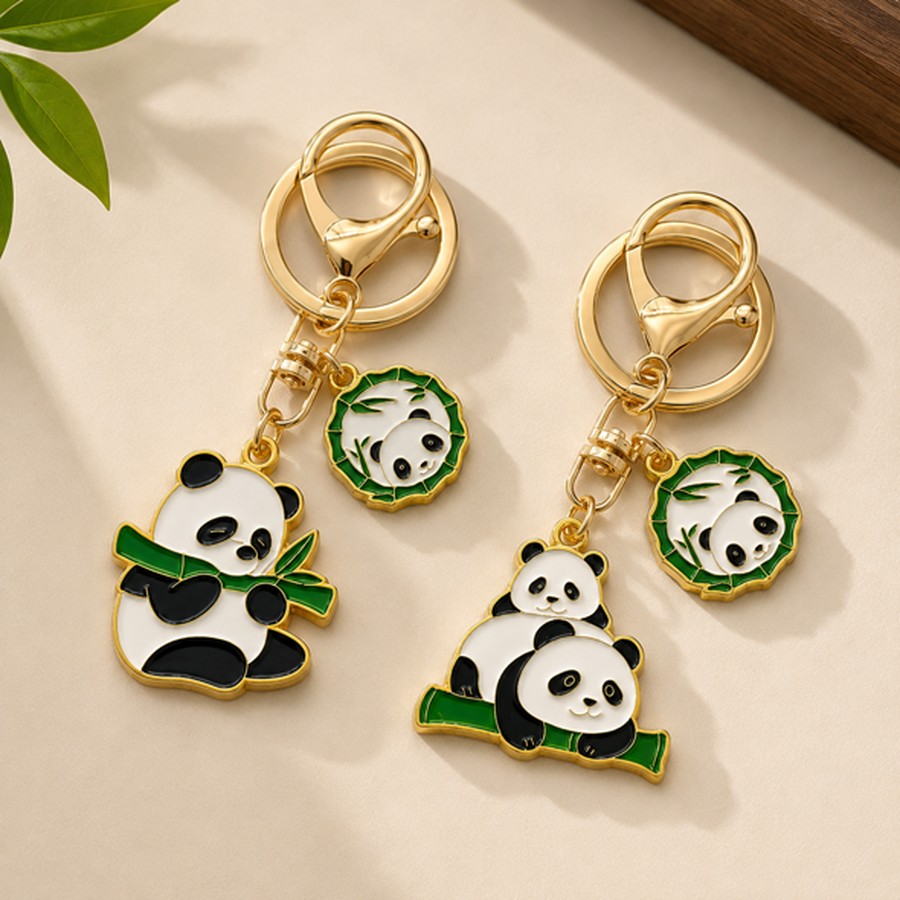
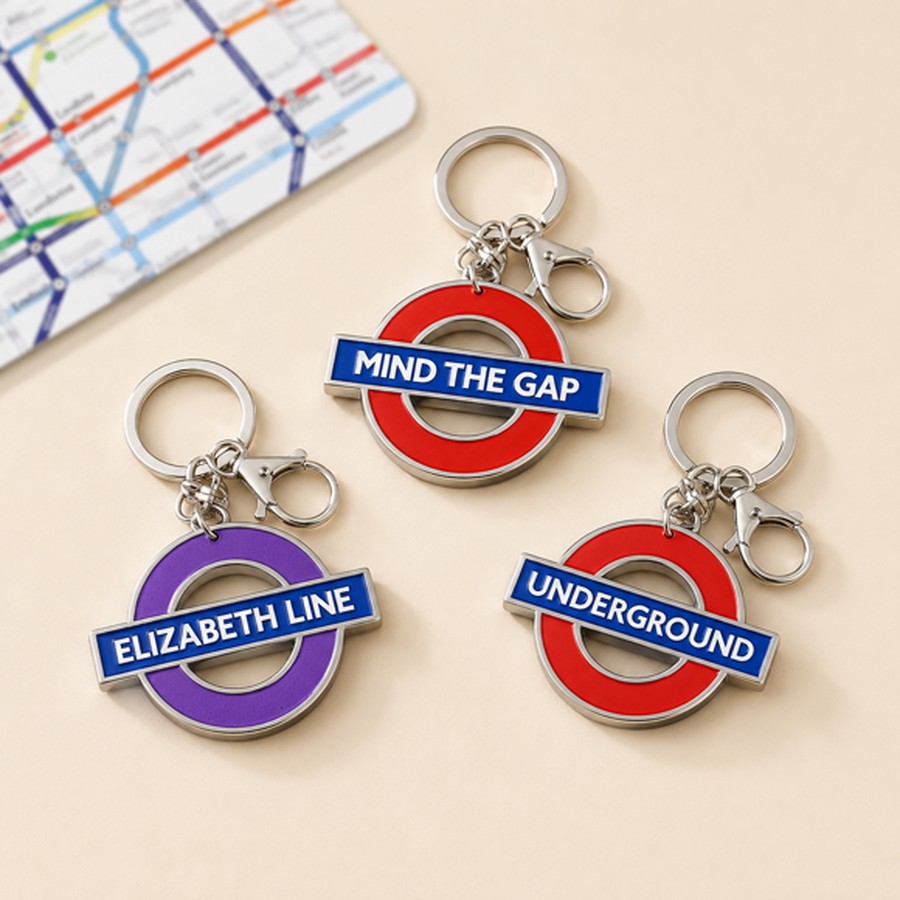
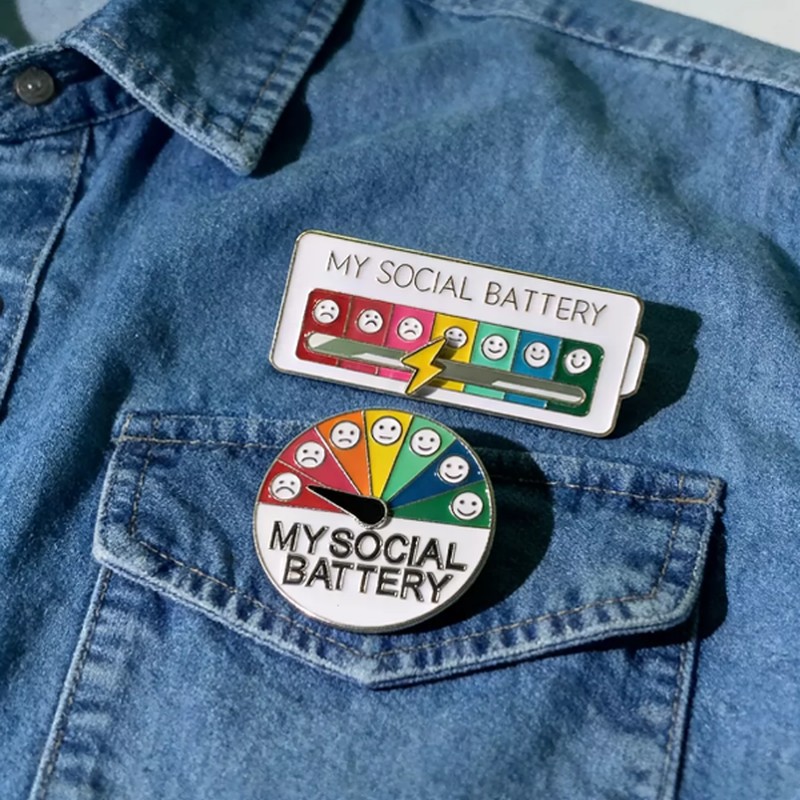
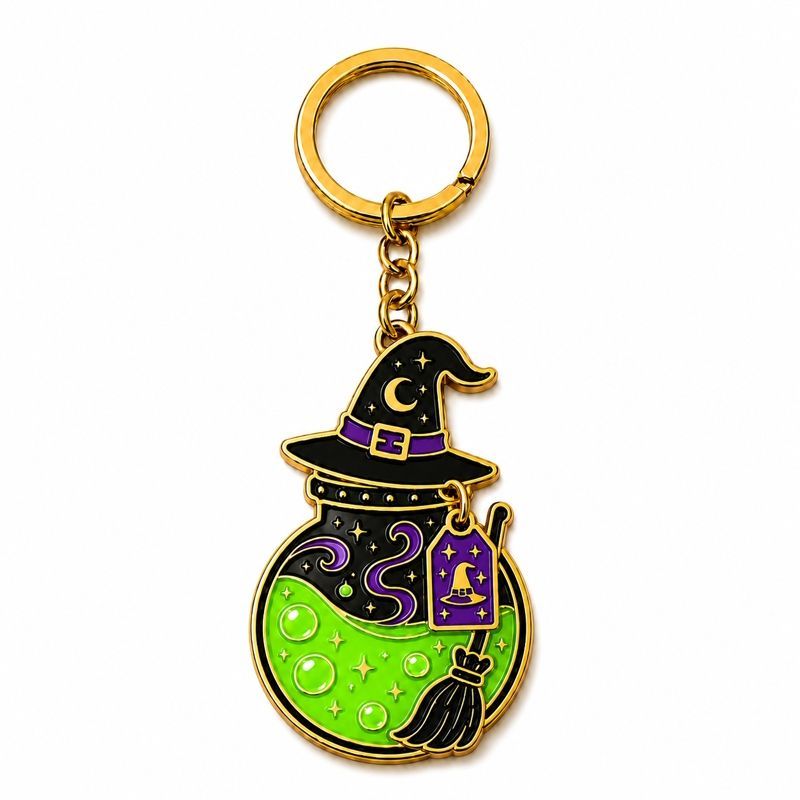
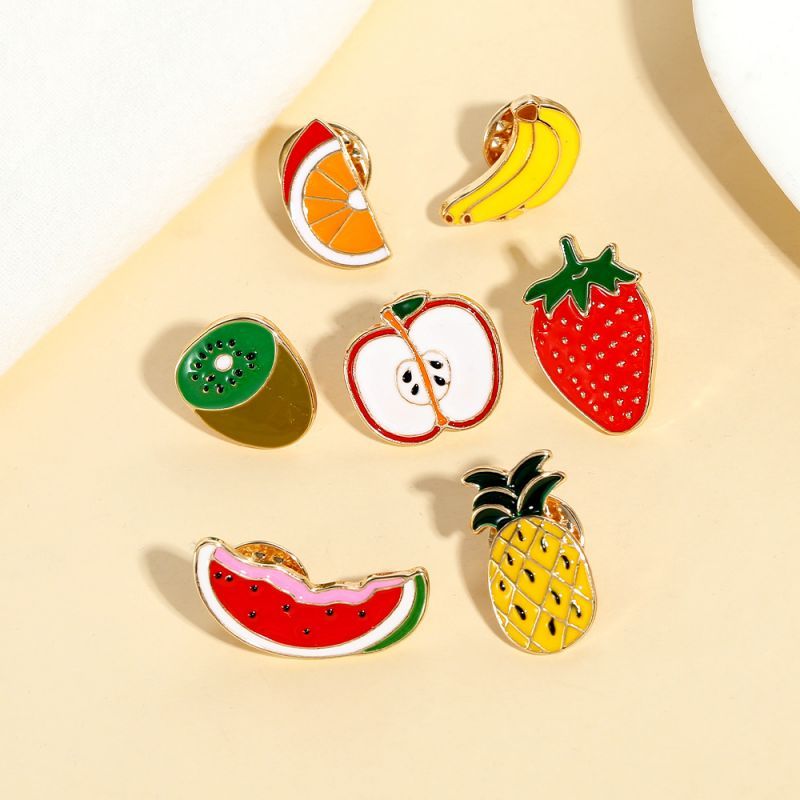
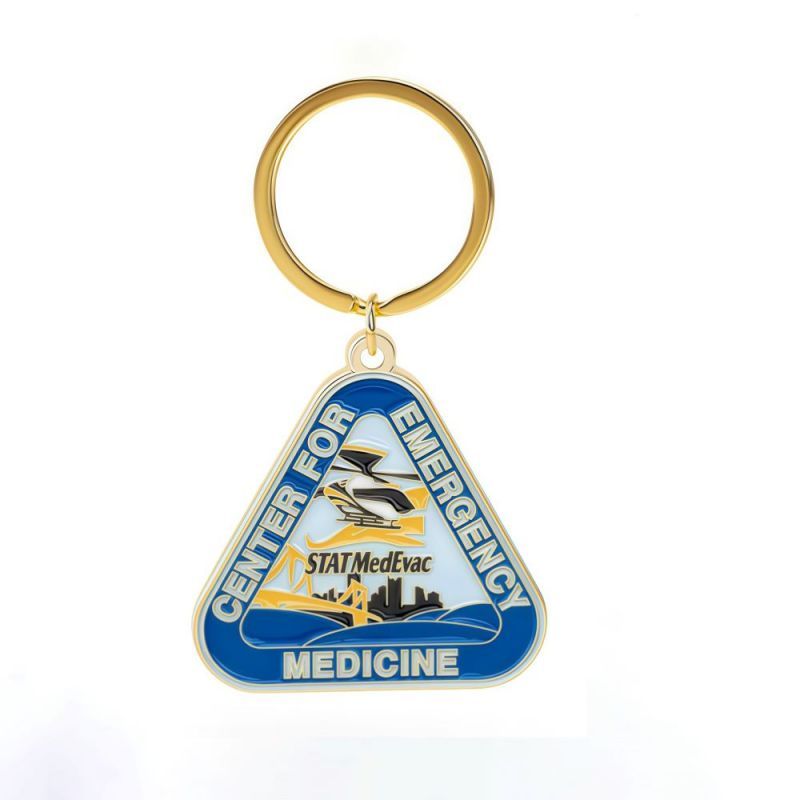
Soft enamel leaves the metal borders slightly raised above the color. It creates strong visual contrast and is widely used for logos, characters, sports designs, and promotional merchandise. Small text and narrow color areas should be reviewed at the intended production size.
Printing can reproduce gradients, photographs, and fine details that are difficult to separate into enamel areas. A clear epoxy dome can add protection and depth. Confirm whether the required color match is based on Pantone references, CMYK artwork, or an approved printed sample.
Zinc alloy is common for custom-shaped and three-dimensional keychains because it flows into detailed molds. Iron and brass can be suitable for stamped or die-struck designs. Stainless steel can support clean cutout shapes and a modern finish. The appropriate choice depends on artwork, thickness, finish, target cost, and desired weight.
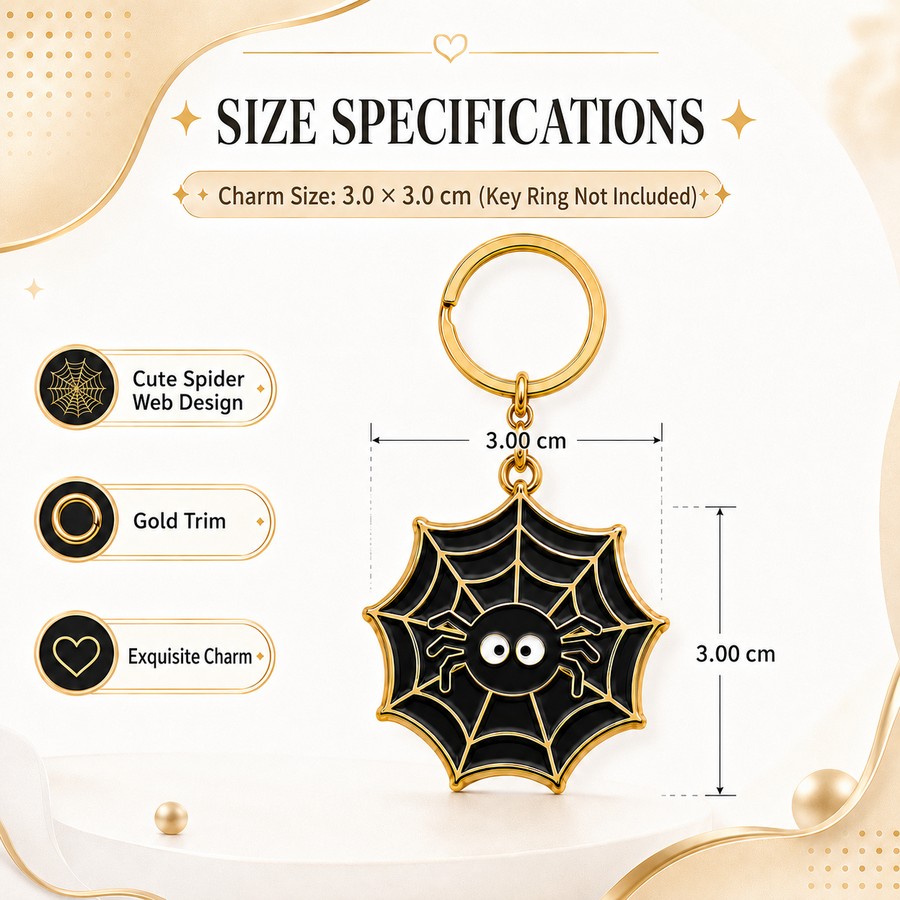
Do not specify only the overall width and height. Record metal thickness, raised and recessed levels, edge treatment, and the dimensions of holes or cutouts. A large, thick piece may feel premium but can become heavy in a pocket or expensive to ship.
| Finish | Visual direction | Useful review point |
|---|---|---|
| Polished nickel or silver | Bright, clean, modern | Reflection level and fingerprint visibility |
| Gold or rose gold | Premium, celebratory, fashion-led | Tone approval against brand colors |
| Black nickel | Contemporary, high contrast | Contrast with dark enamel areas |
| Antique brass or copper | Heritage, tourism, commemorative | Distribution of dark antique effect |
| Matte or sandblasted | Subtle, technical, understated | Consistency across broad surfaces |
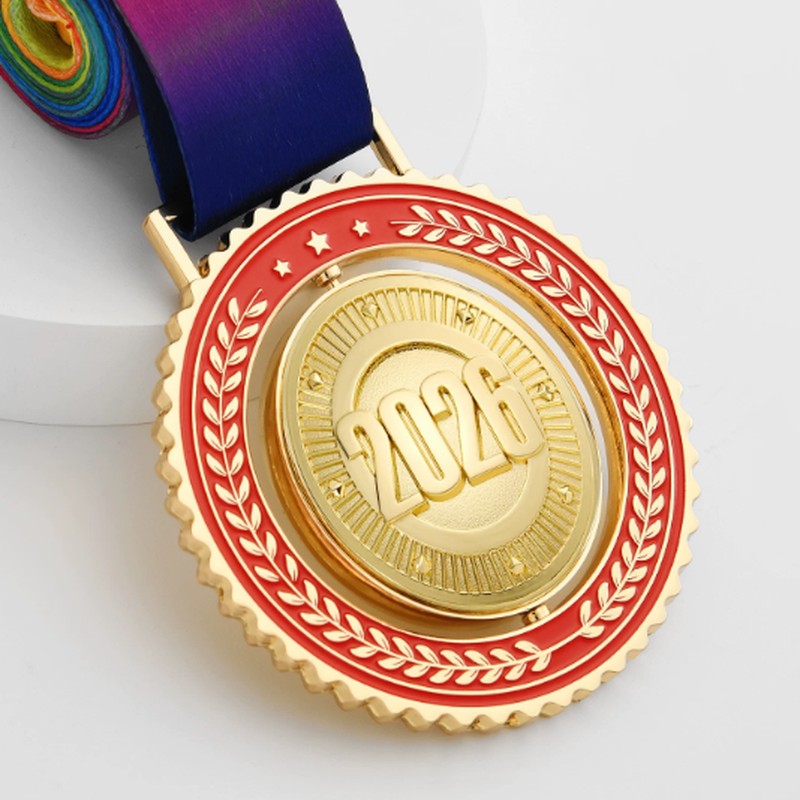
Approve plating with the color sample because the metal border changes how enamel colors appear. If multiple items belong to one campaign, use the same approved finish standard across keychains, pins, badges, and medals.
A split ring is familiar and reliable for everyday keys. Lobster clasps and snap hooks make the item easier to attach to bags or zipper pulls. Short chains add movement, while leather or woven straps can create more space for branding. Bottle opener functions, rotating parts, and charms can add utility but also introduce more assembly points.
Specify the ring diameter, chain length, connector style, metal finish, and orientation. Check that the attachment does not cover the logo or cause the piece to hang backward.
Vector artwork is the best starting point. Mark the metal outlines, enamel colors, recessed areas, cutouts, front and back details, attachment point, and final dimensions. For small keychains, simplify very fine text and narrow gaps. A design that looks clear on a monitor may become crowded when reduced to 35 or 40 millimeters.
If exact brand colors matter, provide Pantone references. Metallic, transparent, glitter, glow, or pearlescent enamel should be sampled because the effect depends on lighting, base metal, and the size of the color area.
The back can carry a secondary logo, URL, event date, legal line, sequential number, or textured pattern. Options include raised metal, recessed text, laser engraving, printing, or a custom mold. Confirm whether the back design changes tooling and whether the attachment orientation leaves the message readable.
Packaging affects labor, carton size, shipping volume, and the delivery schedule. Decide it before the final quote rather than adding it after production starts.
A pre-production sample should confirm dimensions, thickness, weight, relief, enamel colors, plating, edge finish, attachment, back design, and packaging. During bulk inspection, check visible surface defects, incomplete color fill, plating variation, sharp edges, loose rings, incorrect orientation, and quantity per carton.
Agree on the approval method for color and finish. Photos can speed up communication, but a physical sample is more reliable where plating tone, texture, or special enamel is important.
The schedule can include artwork cleanup, digital proof, tooling, mold sample, buyer review, revisions, production, finishing, assembly, inspection, packaging, and shipping. Complex 3D designs, special finishes, multiple colorways, and premium boxes normally require more time than a simple flat keychain. Share the event or in-hand date at the inquiry stage.
Browse Orpinegift's custom keychain range for product directions. When your artwork and quantity are ready, request a custom keychain quote to review process, sampling, packaging, and production timing.