
Views: 116 Author: Publish Time:2026-07-31 10:20:00 Origin: Orpinegift
A medal must do several jobs at once: recognize achievement, represent an event or organization, photograph well, survive distribution, and arrive before a fixed date. Buyers ordering custom medals can reduce risk by defining the design process, metal construction, finish, ribbon, packaging, quantity, and timeline as one coordinated project.
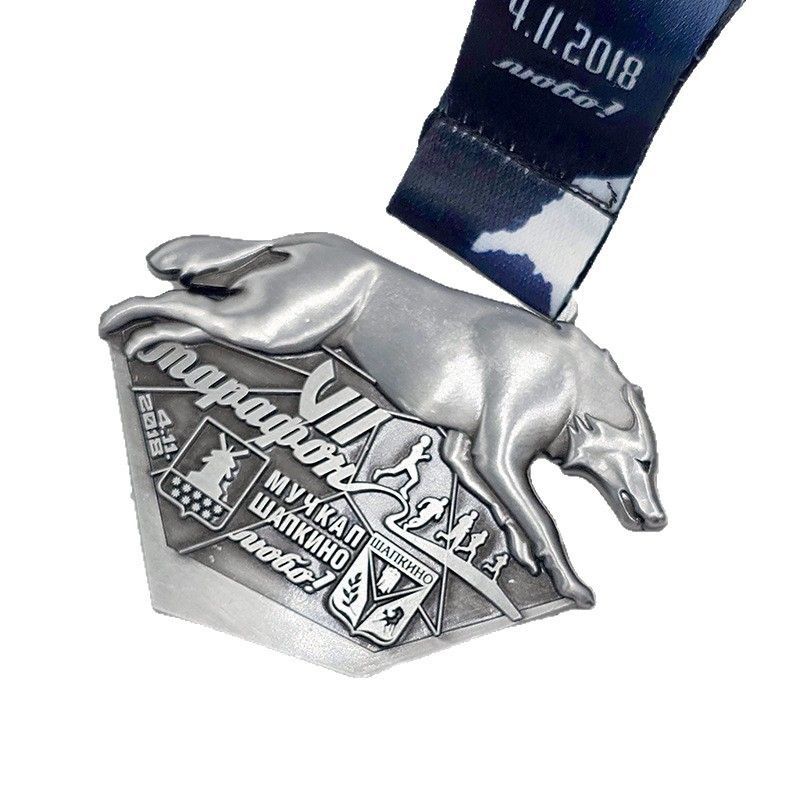
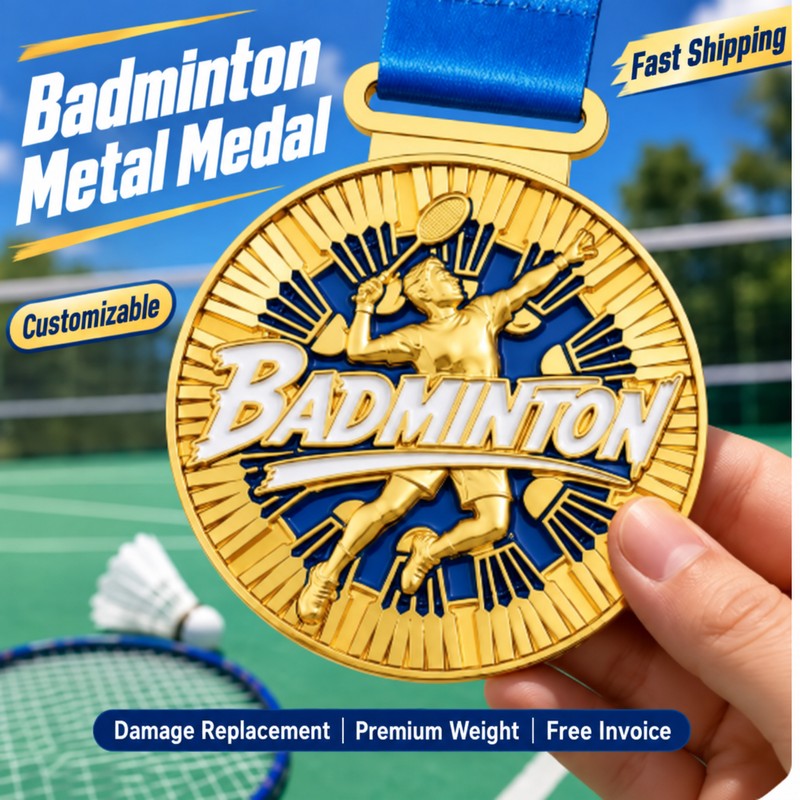
Die casting supports custom outlines, cutouts, deep relief, sculpted surfaces, and three-dimensional forms. It is useful for detailed event identities, mascots, landmarks, sports imagery, and premium commemorative designs. Tooling and metal volume affect cost, so thickness and relief should be selected deliberately.
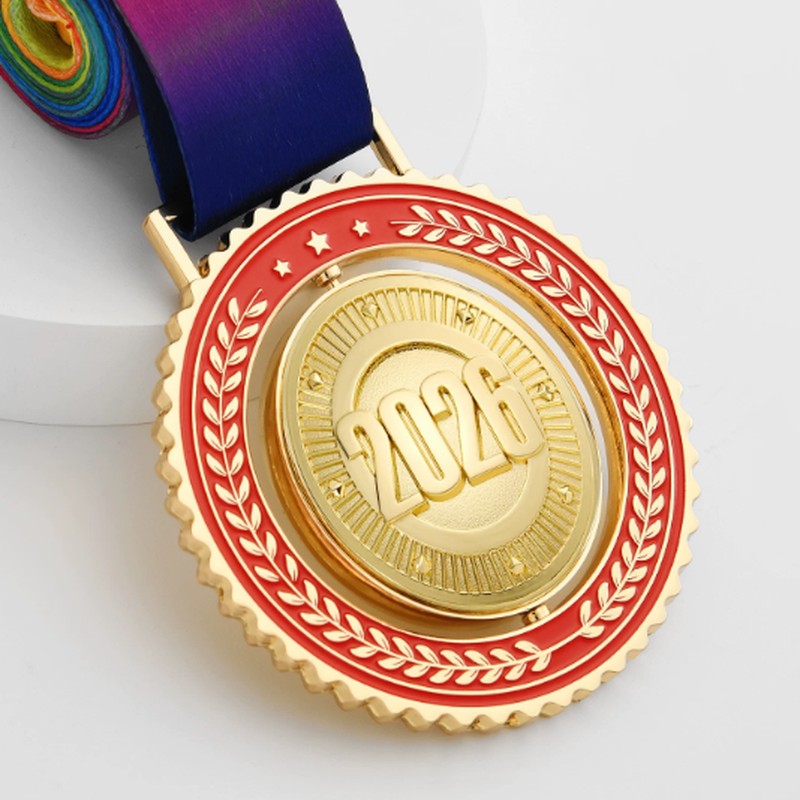
Die striking creates raised and recessed details from a flat metal blank. It can produce crisp emblems, text, borders, and traditional award designs. It is often paired with polished, matte, or antique finishes and may include enamel color.
Printed centers can reproduce gradients, photographs, sponsor graphics, and variable event artwork. A clear protective dome may be added. This construction can work well when the graphic has details that are not suitable for metal lines or enamel separation.
Common medal dimensions vary widely, and the right size depends on audience, budget, design complexity, and presentation. A youth participation medal may prioritize comfort and color, while a championship or anniversary medal may use greater thickness and deeper relief for a premium feel.
Record the maximum width, maximum height, metal thickness, relief depth, cutouts, edge shape, ribbon slot, and finished weight. Weight affects neck comfort, freight, packaging, and handling at the award ceremony.
The front usually carries the event identity, category, mascot, or award title. The back can include sponsor logos, dates, distance, location, values, a message, or a space for personalization. Plan both sides before tooling so the layout, relief, and cost can be quoted accurately.
Keep essential text large enough to remain readable at final size. Narrow metal lines, tiny counters in letters, and crowded sponsor logos may need simplification. Ask for a production proof at actual dimensions, not only an enlarged screen view.
| Option | Best suited to | Approval focus |
|---|---|---|
| Gold, silver, bronze | Ranked awards and classic recognition | Tone consistency across the full order |
| Antique finish | Deep relief and commemorative artwork | Contrast in recessed areas |
| Black nickel | Modern events and bright enamel colors | Visibility of dark artwork |
| Dual plating | Premium borders and feature details | Clean separation between finishes |
| Soft enamel | Bold logos, sports colors, and mascots | Color references and fill quality |
| Printed color | Gradients, photos, and complex sponsor art | Print proof and protective coating |
Provide Pantone references for brand colors where possible. Special effects such as translucent, glitter, glow, or pearlescent color should be reviewed on a sample because metal tone and lighting influence the result.
The ribbon is not an afterthought. Its width, length, material, print, stitching, attachment, and finish influence the presentation. Options may include solid-color polyester, woven patterns, screen printing, heat-transfer printing, or repeated sponsor logos.
Confirm the finished loop length, ribbon width, print orientation, safety breakaway requirement if applicable, and connection to the medal. Check that the ribbon lies flat and that the artwork reads correctly when worn.
Names, numbers, categories, or finishing times may be added by laser engraving, printed labels, separate plates, or variable inserts. Personalization changes data handling and production flow. Define the file format, character limits, proofing method, sorting order, and packaging labels before sending final data.
If medals must be packed by category, age group, venue, or recipient, include that requirement in the quote. Sorting after production can require significant labor and should not be assumed.
Packaging should protect the finish and make distribution efficient. Confirm carton weight and pack quantity, especially for thick or oversized medals.
Custom medals are deadline-driven. Work backward from the required in-hand date and include artwork approval, tooling, sample production, sample transit, revisions, bulk production, plating, coloring, ribbon production, assembly, inspection, packing, freight, customs clearance, and a contingency margin.
Do not plan around the ceremony date alone. The organizer may need medals earlier for sorting, photography, sponsor approval, or regional distribution. State the delivery location and latest acceptable arrival date in the first inquiry.
The sample should confirm dimensions, thickness, relief, cutouts, text, plating, color, edge finish, ribbon, attachment, back design, and packaging. For a series with gold, silver, and bronze versions, decide whether all finishes need physical approval or whether one construction sample plus finish references is acceptable.
During production inspection, review appearance, color fill, scratches, sharp edges, attachment security, ribbon print, count, sorting, and carton labels. Keep the approved sample and artwork version available as the inspection reference.
Explore Orpinegift's custom medal products for design directions. Request a medal quote with your artwork, quantities, ribbon requirements, packaging, and delivery date to plan sampling and bulk production.