
Views: 159 Author: Publish Time:2026-09-09 09:30:00 Origin: Orpinegift Sourcing Team
A reliable custom enamel pins manufacturer should translate artwork into a clear metal, color, backing and packaging specification. Buyers comparing wholesale enamel pins need to decide between hard and soft enamel, select the base metal and plating, approve Pantone colors, confirm attachment security and understand how these choices affect MOQ and cost.
Hard enamel is filled and polished to create a smooth surface where the color and metal lines feel nearly level. It suits clean artwork, premium retail presentation and designs where a flat finish is preferred. Soft enamel is normally filled below the raised metal outlines, creating a textured surface with visible relief. It can emphasize linework and often supports a different cost and visual position.
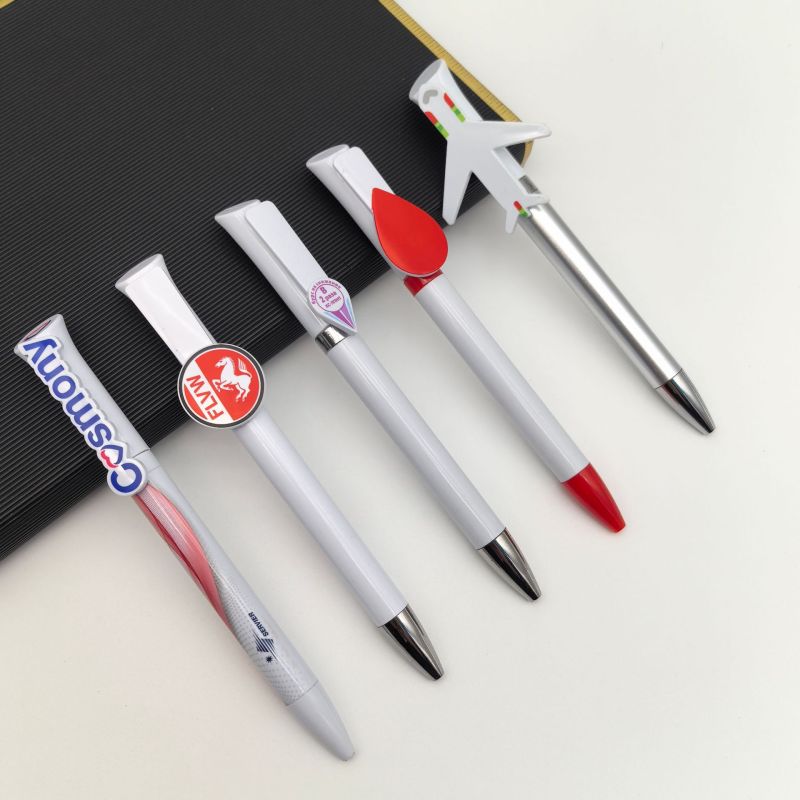
The best process depends on the artwork, target finish, quantity and budget. Review the custom airplane hard enamel pin and custom text enamel pin for product-specific examples.
Supply vector artwork with finished dimensions, line thickness, recessed color areas and plating notes. Very small text, narrow gaps and complex gradients may need simplification. The manufacturer should provide a production proof showing size, metal lines, Pantone references, plating, posts and backing before tooling begins.
For art and museum programs, the custom vintage painting enamel pins demonstrate how geometric color sections can adapt detailed reference art to a manufacturable pin.
Zinc alloy supports custom shapes and relief, while iron, brass or other metals may suit different constructions. Plating choices can include gold, silver, nickel, black nickel, copper, antique finishes or colored metal effects depending on capability. Approve the exact finish on a physical sample because reflective surfaces can look different on screen.
Specify whether visible metal lines, edges, posts and backs use the same finish. If the product requires corrosion or wear expectations, include the relevant test and acceptance criteria in the brief.
Use Pantone or another agreed color reference and identify whether color matching is visual or instrument-based. The perceived color can change next to different plating finishes. Approve glitter, translucent enamel, glow effects, printed details or epoxy only after confirming compatibility with the base process.
Common options include metal or rubber butterfly clutches, locking backs, safety pins, magnets and tie-tack fittings. Select the backing according to garment weight, event use, retail expectation and loss risk. Larger or heavier pins may need two posts to reduce rotation.
State post position, post count, backing color and whether spare backs are required. Check the assembled sample for secure engagement, sharp edges and correct orientation.
MOQ and unit cost are influenced by tooling, size, number of colors, plating, printed effects, backing and packaging. Ask whether MOQ applies per design or can be split across colorways that share the same mold. A pre-production sample should confirm dimensions, metal line quality, fill level, polishing, color, plating and back attachment.
Pins can be supplied in bulk bags, mounted on backing cards, placed in sleeves or packed in gift boxes. Define card dimensions, paper, print, holes or slots, barcode, warnings and pin orientation. Packaging should protect the face and stop posts from damaging adjacent pieces.
Include vector artwork, finished size, process, base metal, plating, colors, backing, quantity, packaging, destination and deadline. Browse the custom enamel pins manufacturer collection, then request a hard or soft enamel pin sample and quote. The airplane pin is preselected as a reference, and your source page will be recorded with the inquiry.