
Views: 2 Author: Publish Time:2026-11-04 11:16:48 Origin: Orpinegift
When ordering custom promotional products, getting an accurate quotation is one of the most important steps in the purchasing process.
Whether you are sourcing custom lanyards for a corporate event, enamel pins for your brand, keychains for retail merchandise, or medals for a sports competition, providing clear product requirements helps manufacturers understand your expectations and prepare a more accurate quote.
A well-prepared Request for Quotation (RFQ) can also reduce unnecessary communication, prevent misunderstandings, and make it easier to compare different suppliers.
If you are planning to source custom promotional products in bulk, this guide explains what information to include in your RFQ and how to prepare it before contacting a manufacturer.
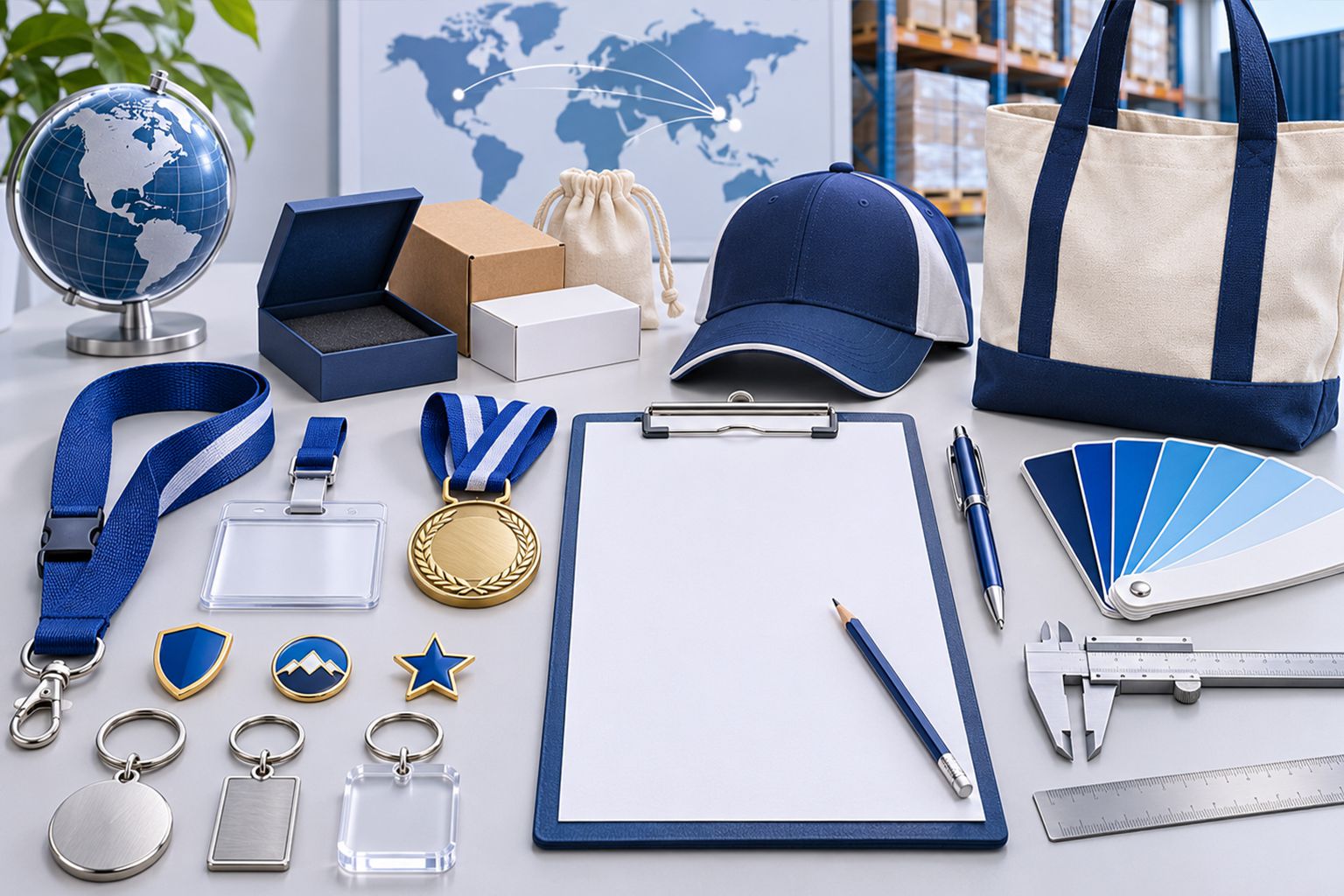
The first step is to describe the product you need.
Custom promotional products come in many different categories, materials, and styles. Simply requesting a quote for "custom gifts" may not provide enough information for a manufacturer to understand your project.
Instead, specify the exact product type and its intended use.
For example:
Custom polyester lanyards for corporate events
Hard enamel pins for brand merchandise
Custom metal keychains for retail promotions
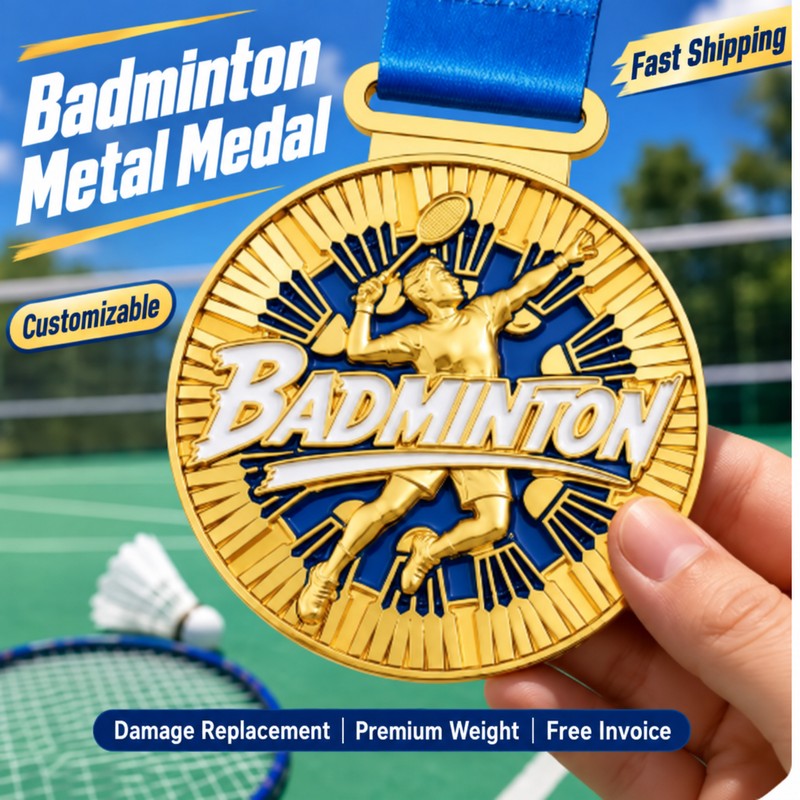
Sports medals for running events
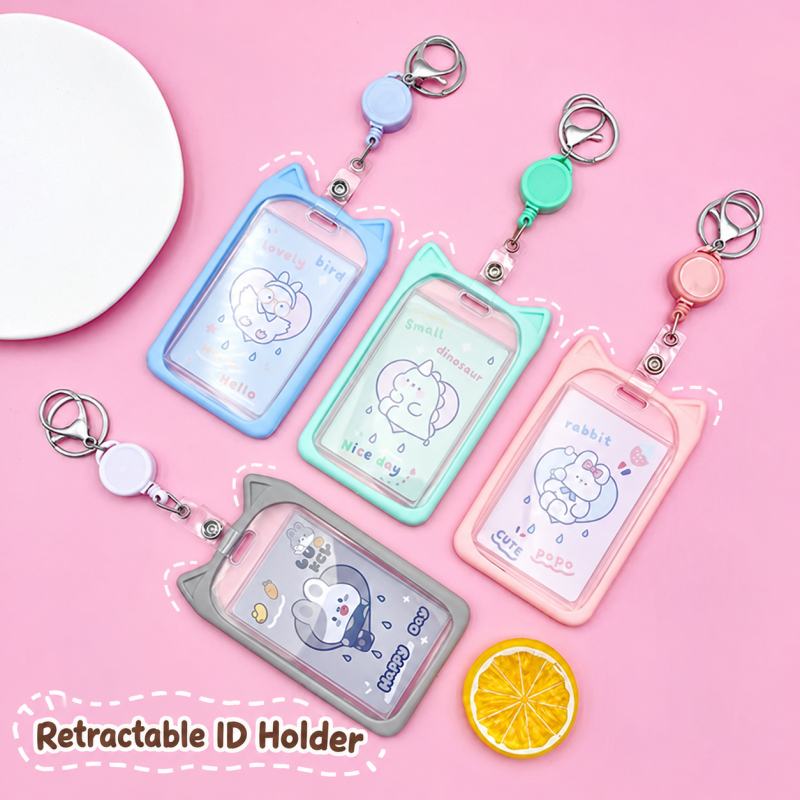
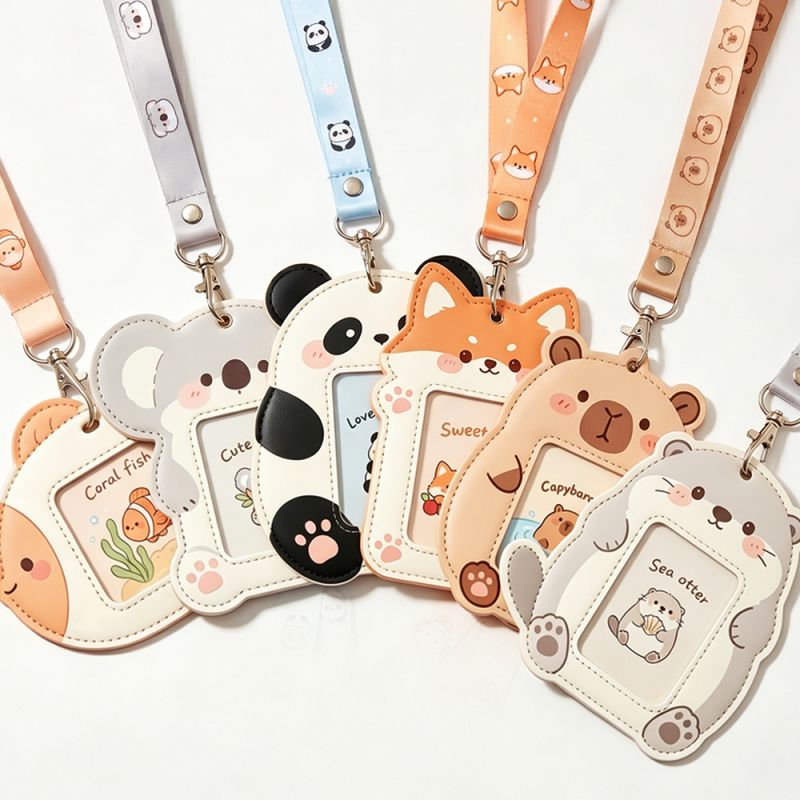
Custom badge holders for employee identification
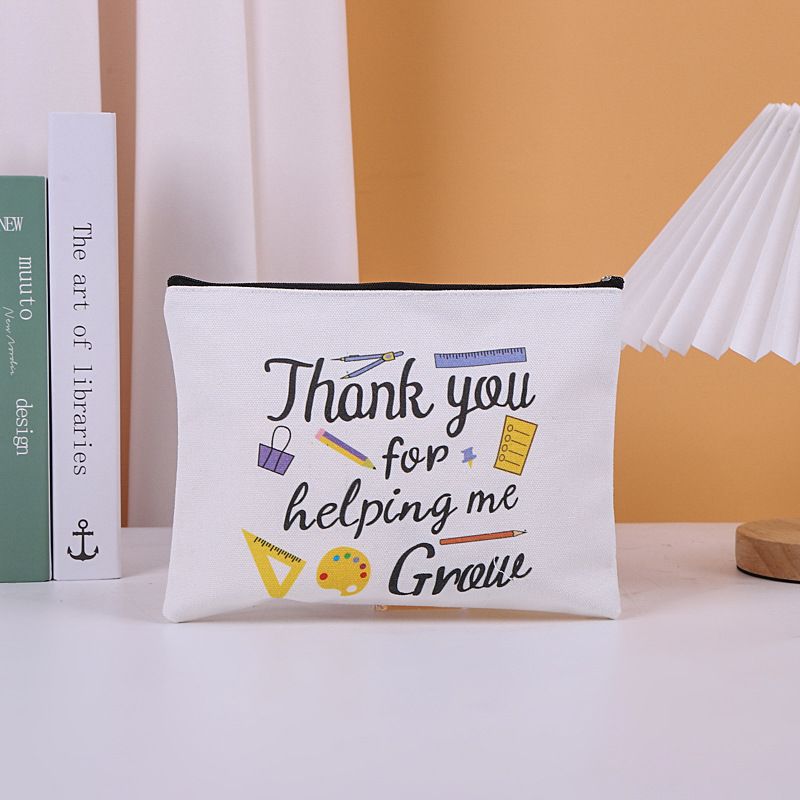
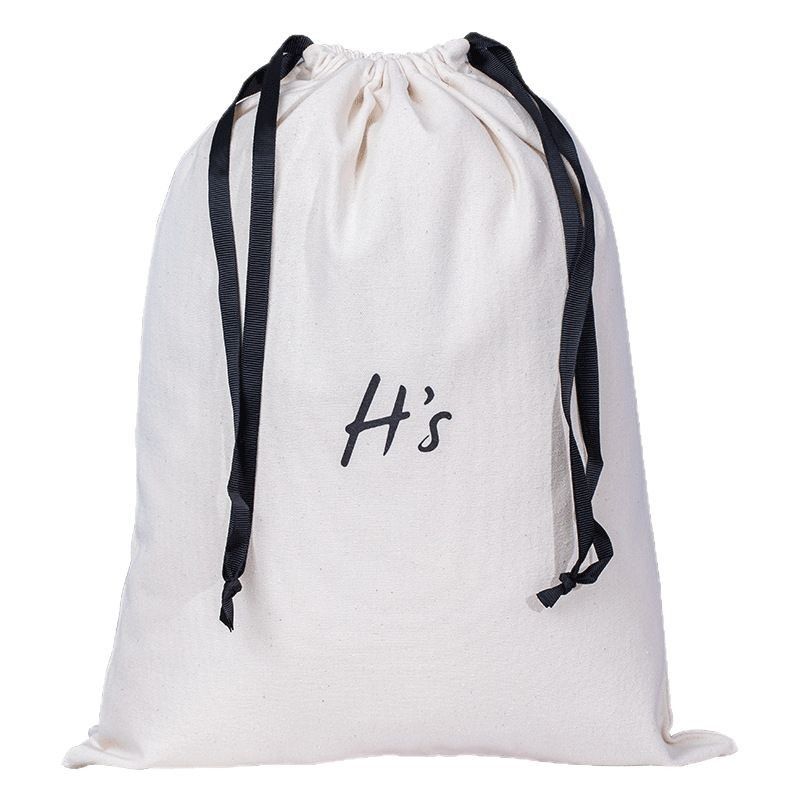
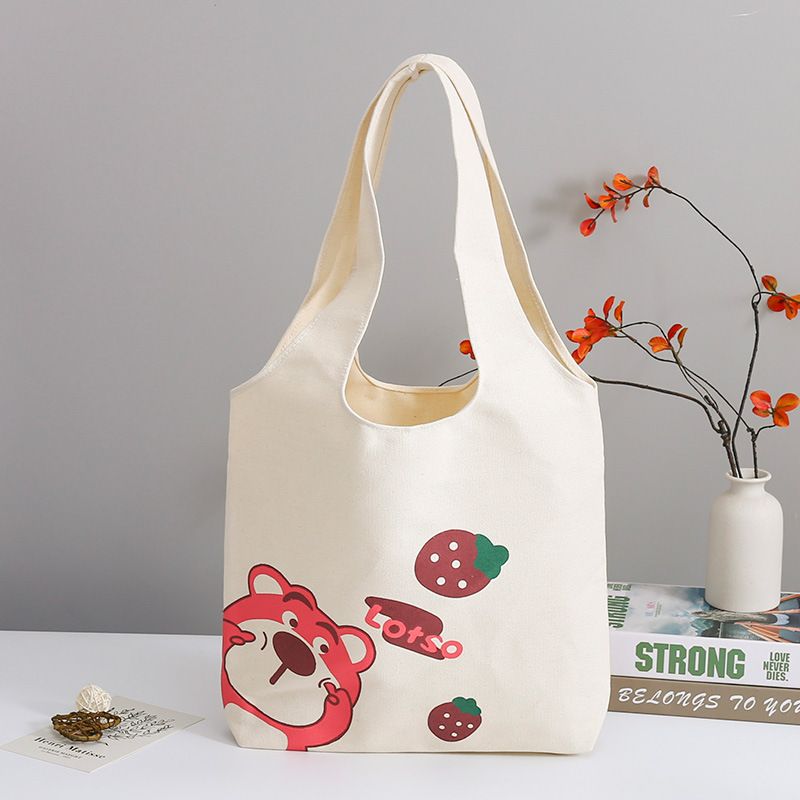
Branded tote bags for trade shows
If you have a reference image, product sample, or similar design, include it with your RFQ.
Visual references help manufacturers understand the product structure, appearance, and customization requirements more accurately.
Tip: If you are unsure about the exact material or production method, describe your intended application and ask the manufacturer to recommend suitable options.
Material selection and product dimensions can significantly affect manufacturing costs, appearance, durability, and production methods.
Your RFQ should include as many specifications as possible.
Here are some examples:
| Product | Important Specifications |
|---|---|
| Lanyards | Material, width, length, printing method, attachment |
| Enamel Pins | Size, thickness, enamel type, metal plating, backing |
| Keychains | Material, dimensions, thickness, attachment, finish |
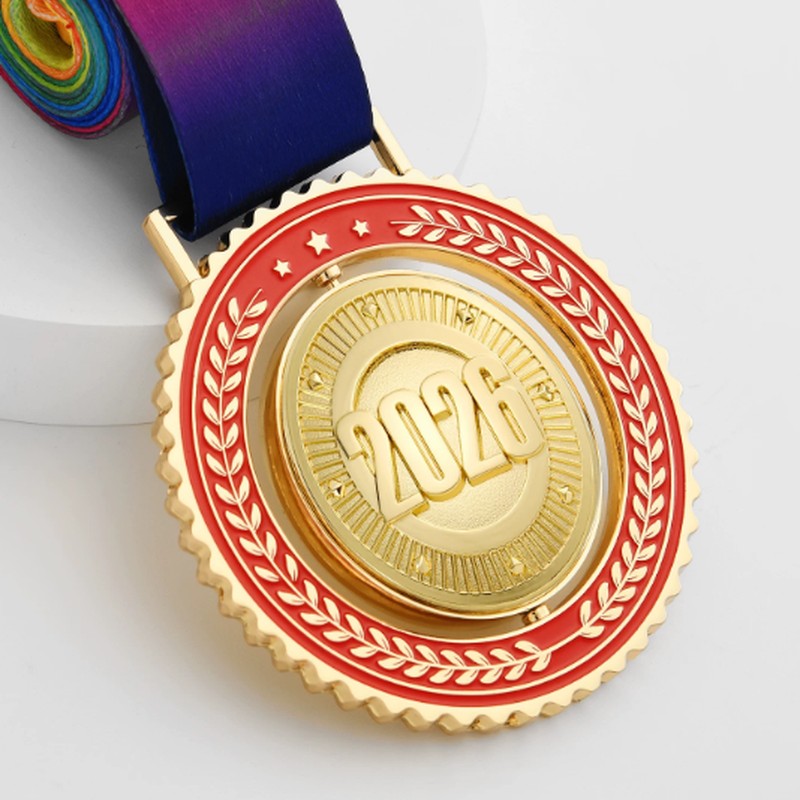
| Medals | Diameter, thickness, material, plating, ribbon |
| Badge Holders | Card size, material, orientation, attachment |
| Tote Bags | Fabric, GSM, dimensions, handle length, printing method |
| Caps | Fabric, cap style, embroidery or printing, closure |
For US buyers, it is helpful to provide measurements in both inches and millimeters.
For example:
Lanyard width: 0.79 inches (20 mm)
Medal diameter: 2.36 inches (60 mm)
Tote bag size: 15.75 × 13.78 inches (400 × 350 mm)
If certain specifications are not finalized, indicate that they are flexible.
A professional manufacturer can help you evaluate different materials and production options based on your budget and application.
Logo customization is often one of the most important parts of a promotional product project.
To avoid unnecessary revisions, provide your artwork or logo files whenever possible.
Common artwork formats include:
AI (Adobe Illustrator)
EPS
SVG
High-resolution PNG
Vector artwork is generally preferred for many printing, engraving, embroidery, and metal product applications because it can be scaled without losing image quality.
You should also specify:
Logo placement
Logo size
Preferred colors
Printing or engraving method
Front and back design requirements
Whether individual names or numbers are needed
If you have a specific Pantone color reference, include the Pantone code.
For example, if your company uses a particular brand color, providing its reference helps the manufacturer understand your color expectations.
Before mass production, always review and approve the final artwork or digital proof.
For products requiring custom molds or detailed manufacturing processes, ask whether a physical sample is recommended before approving bulk production.
Order quantity is another essential factor when requesting a quotation.
Many custom promotional products involve setup costs, tooling costs, printing preparation, or mold development. As a result, the unit price may change depending on the order quantity.
Instead of asking for only one quantity, consider requesting multiple pricing tiers.
For example:
| Quantity | Pricing Request |
|---|---|
| 100 pieces | Small batch pricing |
| 500 pieces | Standard bulk pricing |
| 1,000 pieces | Larger order pricing |
| 5,000 pieces | High-volume pricing |
This allows you to compare different purchasing options and determine which quantity provides the best value for your project.
If your order includes multiple colors, designs, or product variations, clarify whether the quantity applies to each individual design or the total order.
Also ask about the minimum order quantity (MOQ) for the specific product and customization method.
MOQ requirements can vary significantly between different products and manufacturing processes.
Packaging is often overlooked during the initial quotation process.
However, it can affect the total project cost, shipping volume, and how the products are presented to customers.
Depending on your project, you may need:
Individual poly bags
Custom backing cards
Printed gift boxes
Retail-ready packaging
Custom labels or barcodes
Bulk export cartons
For example, enamel pins sold through retail stores may require individual backing cards, while event lanyards may only need bulk packaging.
If the products will be distributed at a trade show, included in corporate welcome kits, or sold through retail channels, explain the intended application.
This helps the manufacturer recommend a suitable packaging solution.
Shipping information is important when evaluating a custom promotional products quotation.
Your RFQ should include:
Destination country
City and ZIP code, if available
Required delivery date
Preferred shipping method, if known
Whether you need a sample before bulk production
For US orders, providing the destination ZIP code can help suppliers estimate shipping options more accurately.
You should also distinguish between production time and shipping time.
A typical custom order involves several stages:
Artwork confirmation
Sample production, if required
Sample approval
Bulk manufacturing
Quality inspection
Packing and shipment
International delivery
The actual timeline depends on product complexity, order quantity, sample requirements, production capacity, and shipping method.
If you have a fixed event date or launch deadline, communicate it before production begins.
Do not assume that the quoted production lead time includes international transportation.
When comparing manufacturers, do not focus only on the unit price.
A complete quotation should help you understand the total cost of your project.
Consider asking for the following information:
Unit price at different quantities
Minimum order quantity
Sample cost
Mold or tooling charges, if applicable
Printing or setup fees, if applicable
Packaging cost
Production lead time
Shipping cost
Payment terms
Quotation validity
Available shipping methods
For international orders, clarify whether freight, customs duties, and import taxes are included or excluded.
This is particularly important when comparing quotations from suppliers using different shipping arrangements or trade terms.
A slightly lower unit price does not always mean a lower total purchasing cost.
Choosing the right promotional products manufacturer is about more than finding the lowest quotation.
Before placing a bulk order, evaluate the supplier's ability to meet your requirements.
Here are several points to consider:
Manufacturing Experience
Does the supplier have experience producing the specific product you need?
Customization Capabilities
Can they support your required materials, colors, dimensions, printing methods, and packaging?
Sample Approval
Can they provide a sample or production proof before mass manufacturing?
Quality Control
Do they have a defined inspection process for product appearance, dimensions, colors, attachments, and packaging?
Communication
Can they clearly explain production requirements, lead times, and potential limitations?
Export Experience
Can they coordinate international packaging and shipping for your destination?
Working with a manufacturer that understands your project can help reduce production risks and make future repeat orders easier.
Before sending your request, review the following checklist:
Product name and intended application
Reference images or product samples
Material and product dimensions
Logo and artwork files
Preferred colors and customization methods
Estimated order quantity
Packaging requirements
Destination country and ZIP code
Required delivery date
Sample requirements
Any special quality or compliance requirements
You do not need to finalize every detail before contacting a manufacturer.
If you are still exploring options, share the information you already have and ask for professional recommendations.
A clear RFQ makes it easier for suppliers to understand your project and provide useful feedback.
At Orpinegift, we support businesses, promotional product distributors, event organizers, and brands looking for customized promotional products.
Our product range includes:
Custom Lanyards
Custom Enamel Pins
Custom Keychains
Custom Medals
Custom Badge Holders
Custom Caps
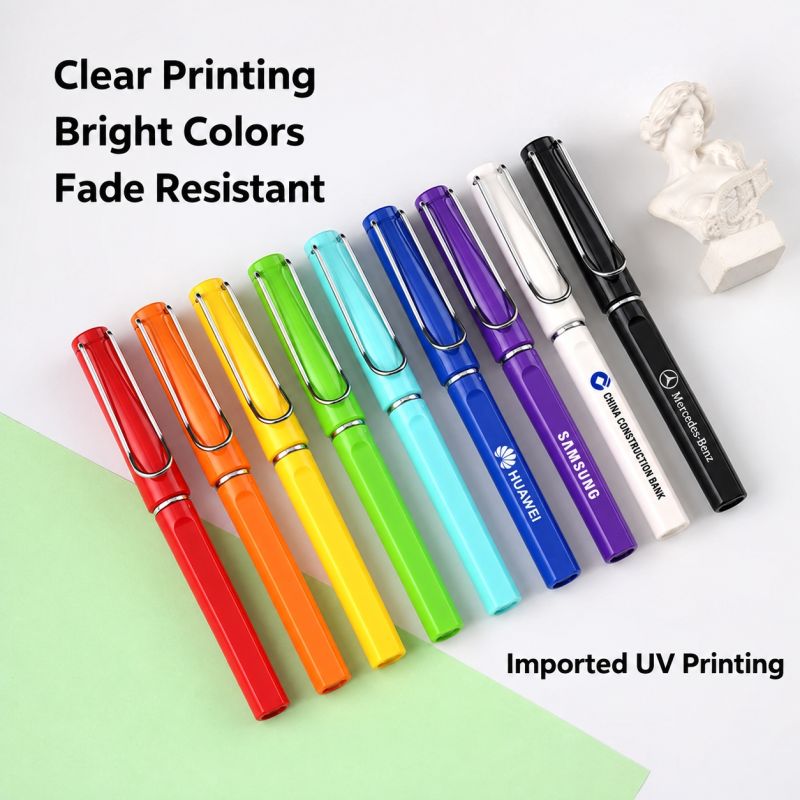
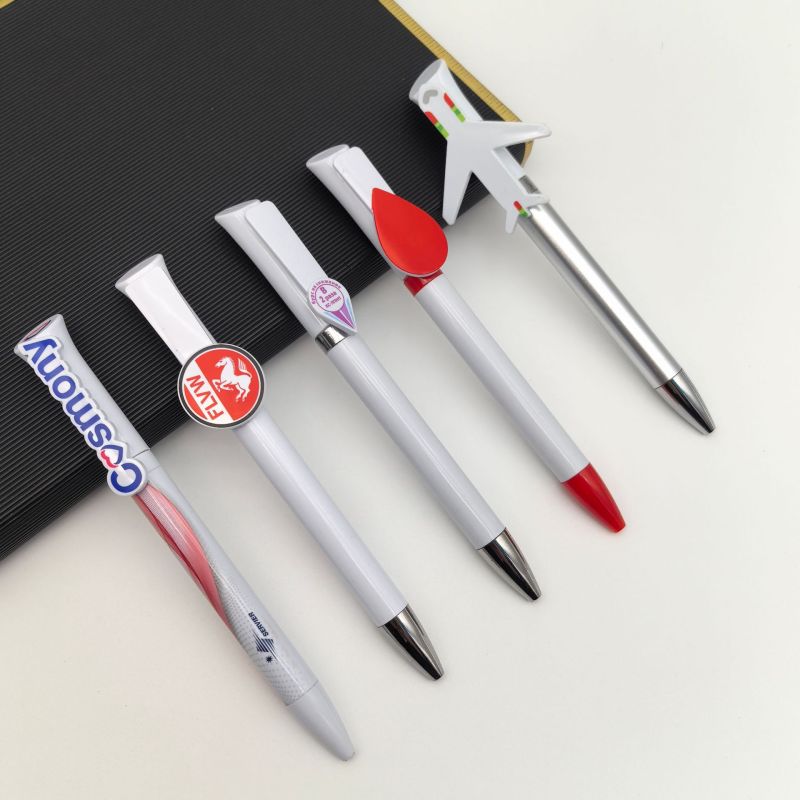
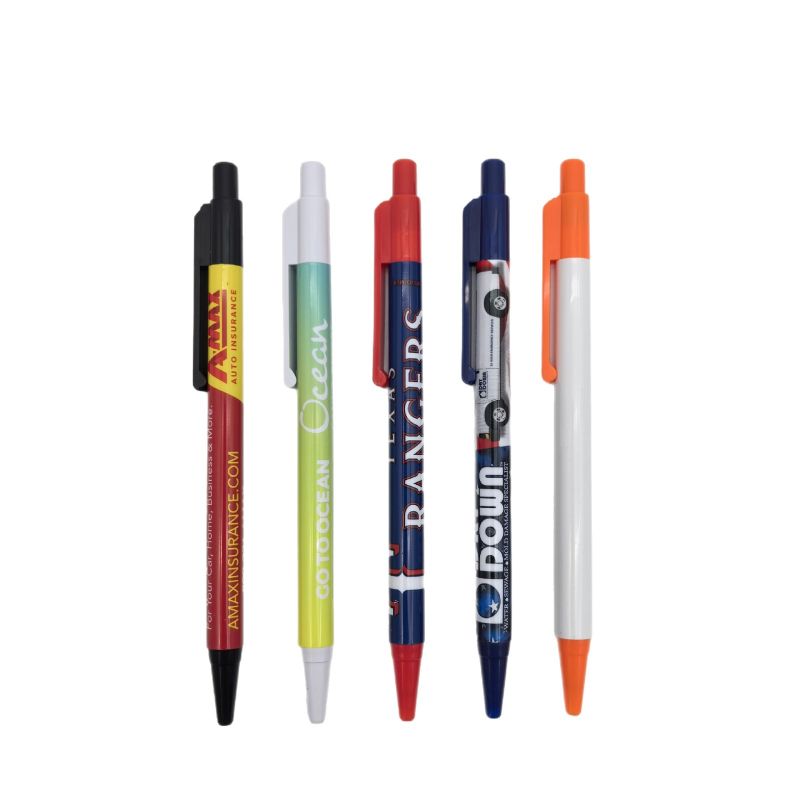
Promotional Pens
Custom Tote Bags
Branded Umbrellas
Whether you need products for corporate events, trade shows, employee welcome kits, retail merchandise, or marketing campaigns, providing your product requirements helps us understand your project.
You can share your reference images, artwork, estimated quantity, and delivery requirements when contacting our team.
Ready to start your custom project?
Contact Orpinegift to discuss your requirements and request a quotation for your next promotional products order.
[Request a Custom Quote]
Include the product type, materials, dimensions, logo artwork, order quantity, packaging requirements, shipping destination, and required delivery date. The more detailed your specifications, the easier it is for a manufacturer to prepare an accurate quotation.
Yes. You can contact a manufacturer with a reference image, product idea, or preliminary design. The supplier can help you understand suitable customization methods and what additional information is needed.
Not necessarily, but larger orders may reduce the impact of fixed setup or tooling costs per unit. Actual pricing depends on materials, production methods, product complexity, and order specifications.
For customized products, sample approval is often recommended, particularly when color accuracy, product dimensions, detailed logos, or special finishes are important. Ask the supplier about sample costs and timelines.
Production time varies by product type, quantity, customization requirements, and sample approval. Ask the manufacturer to confirm the production schedule and shipping estimate separately.
Compare product specifications, materials, customization methods, sample quality, tooling fees, packaging, production lead times, shipping costs, and payment terms—not just the quoted unit price.
Final Tip: A complete RFQ helps turn your product idea into a clear manufacturing project. By preparing the right information before requesting a quote, you can communicate more efficiently, evaluate suppliers more effectively, and move toward production with greater confidence.