
Views: 4 Author: Publish Time:2026-09-15 09:30:00 Origin: Orpinegift Sourcing Team
Custom medal materials affect relief, edge detail, weight, finish, tooling and cost. Plating then changes color, reflectivity and contrast. Buyers should select the base metal and custom medal plating as one system, confirm dimensions and weight, and approve the final combination on a physical sample before bulk production.
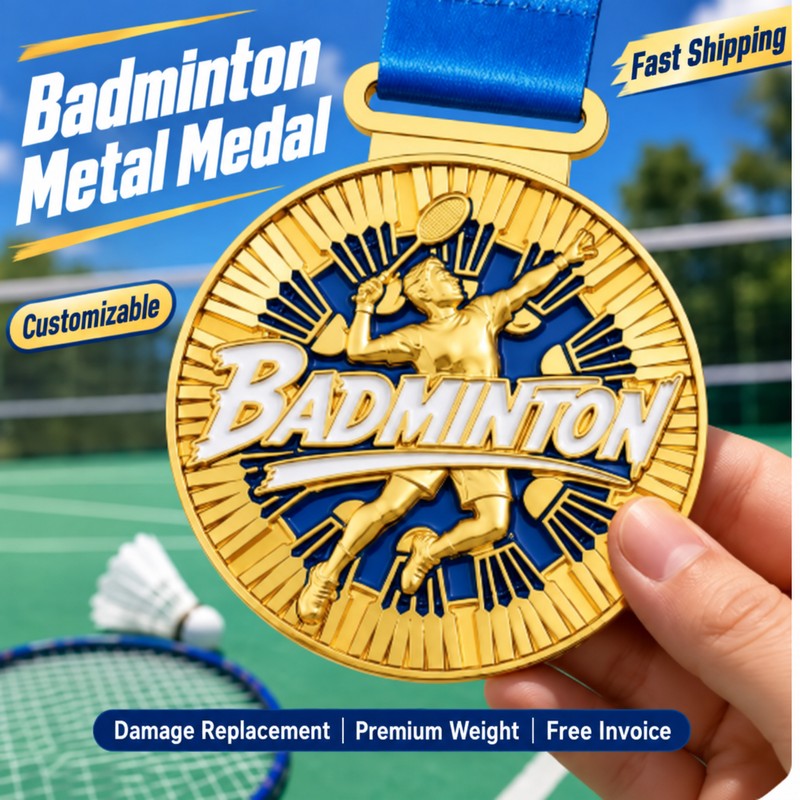
Zinc alloy supports complex outlines, open areas and multi-level die-cast relief. It is widely used for event medals where custom shape, thickness and detailed front-and-back artwork matter. The custom sports event medal is a 6.5 cm zinc-alloy reference that can be adapted with different themes, plating, enamel, ribbons and packaging.
Brass can suit stamped or struck designs with crisp lines and a traditional substantial feel. Iron or other metals may support different price points and processes. Aluminum is lightweight and can be used for panels or combined award formats, as shown by the custom metal medal award plaque. Ask the manufacturer to recommend the material after reviewing size, relief, weight target, edge, finish and budget.
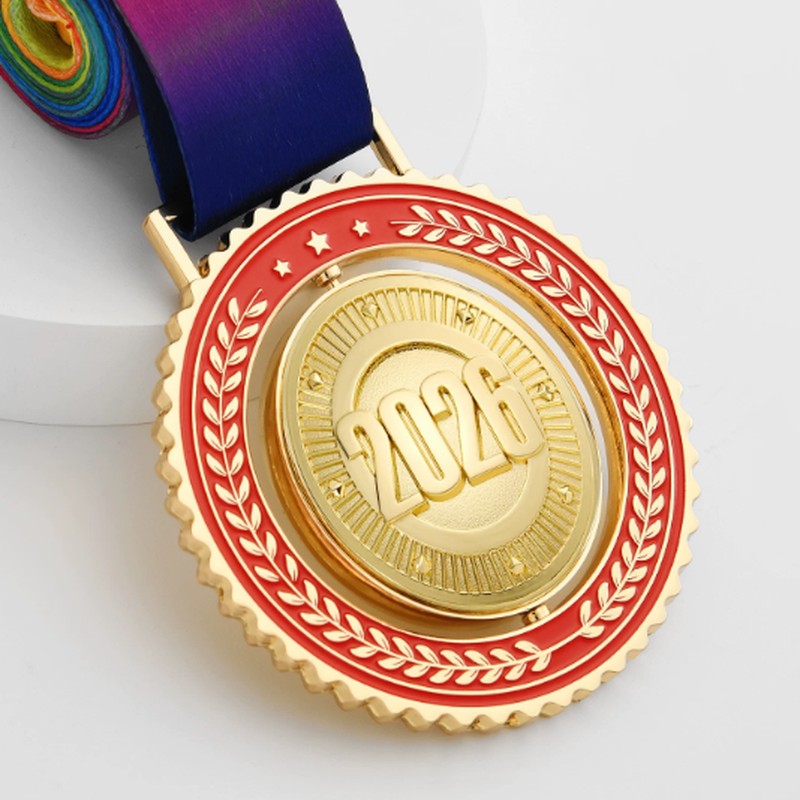
Record overall width and height, maximum thickness, relief height, ribbon slot and target weight. A larger diameter or deeper relief can change both shipping cost and how the medal hangs. For rotating constructions, specify the center insert, axle, clearance and movement; review the custom rotatable medal as a 6.9 cm reference.
Supply vector artwork with raised and recessed areas clearly identified. Confirm whether the back is flat, textured or fully custom. Edge options may include plain, beveled, rope, patterned or text treatments depending on construction. Small lettering and thin lines should be checked on the production proof at actual size.
Common choices include gold, silver, nickel, black nickel, copper, bronze and antique variations, subject to capability. Bright plating emphasizes reflectivity; antique finishes use darker recessed areas to increase relief contrast. Two-tone or selective finishes require precise masking and may affect MOQ and cost. Approve color, gloss, coverage and visible contact marks on the sample.
Soft or hard enamel, translucent color, printing and epoxy effects can be used where the artwork supports them. Reference Pantone colors and identify each fill area on the proof. Plating changes perceived contrast, so color approval should include the finished metal background rather than isolated swatches.
Define ribbon width, length, fiber, weave, base color, print method, logo repeat and sewing or clip construction. Check the ring, loop or slot for free movement and suitable strength. A matching branded ribbon may have a separate material or printing MOQ, so include it in the first quotation.
MOQ is driven by tooling, material, plating, color count, number of designs, ribbons and packaging. Ask for tooling and sample charges separately from unit pricing. Packaging can range from individual bags and cards to velvet pouches, presentation boxes and award sets. Confirm protection against scratching and plating contact during shipment.
Send artwork, dimensions, thickness, weight target, material preference, relief, edge, plating, colors, ribbon, quantity, packaging and destination. Browse the custom medals manufacturer collection, then request a medal sample and bulk quote.